
The complete guide
Starting and growing an online store in India
Selling online can open your business to customers across India, but success depends on many small details: the right platform, a smooth checkout, reliable delivery and steady marketing. This guide covers what matters most, step by step.
Choose the right platform for your stage
Shopify is a popular choice for new and growing brands because it's managed, secure and easy to run without technical skills. You pay a monthly subscription plus app fees. WooCommerce runs on WordPress, gives you more control and can have lower monthly costs, but needs more care to keep fast and secure.
Custom-built stores make sense for businesses with complex catalogues, B2B pricing, subscriptions or unique experiences. They take more effort upfront but remove platform limitations. Start with what fits today, and plan for where you want to be in two to three years.
Make your catalogue easy to shop
Organise products into clear categories and collections. Use filters that match how customers think, such as size, colour, price, material or occasion. Keep product names consistent and descriptive.
Each product page should answer the questions a shopper would ask in a store: what is it, what's it made of, what sizes or variants are available, how much does it cost including delivery, when will it arrive and what if it doesn't fit.
- Clear, consistent photos from several angles
- Honest, detailed descriptions
- Size guides and measurements
- Delivery estimates by pincode
- Visible return and exchange policy
- Genuine customer reviews
Design a checkout Indian buyers trust
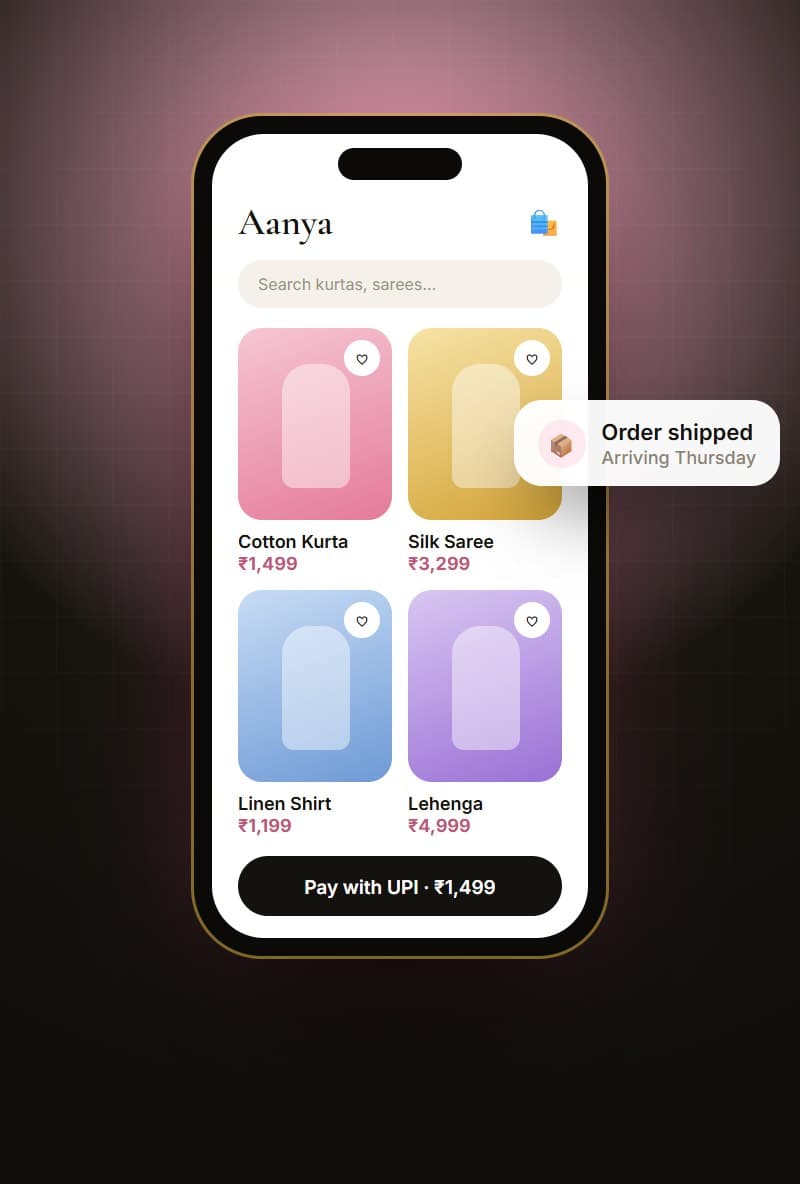
Checkout is where most sales are won or lost. Keep it short, show the full price including shipping early, and offer the payment methods customers expect: UPI, cards, net banking, wallets and often cash on delivery.
Let customers check out with just a phone number, use OTP verification and save addresses for next time. Show trust signals like secure payment badges and clear contact information.
Plan shipping, COD and returns
Shipping aggregators like Shiprocket connect you to multiple couriers, automate labels and provide tracking. Decide your delivery zones, shipping charges and free-shipping thresholds.
Cash on delivery increases conversions but carries return-to-origin risk. Many sellers use COD confirmation calls or messages, partial prepayment or COD limits to reduce failed deliveries. A clear, fair returns process builds confidence and repeat customers.
Taxes, invoices and compliance
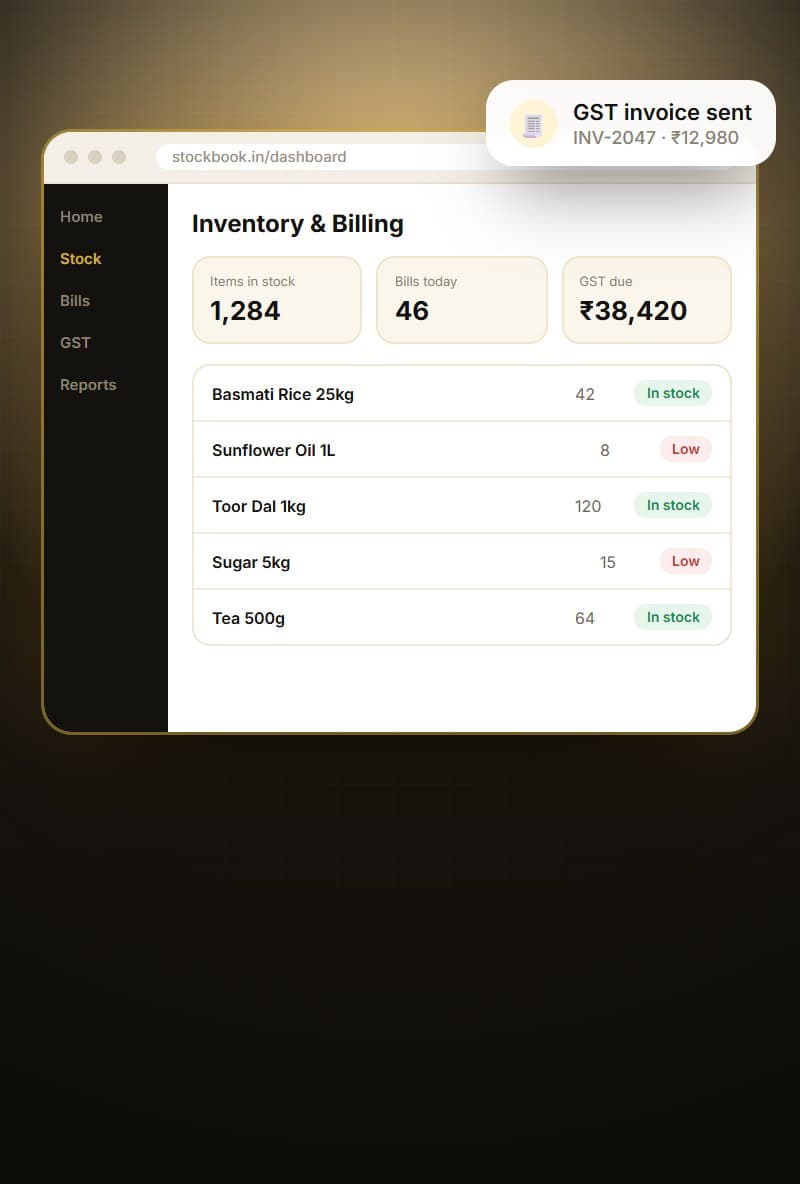
Online sellers generally need GST registration, correct tax rates for each product and proper invoices for every order. Your store can generate invoices automatically, but your accountant should confirm the rates and requirements for your products.
Display your business details, terms, privacy policy, shipping policy and return policy clearly. These pages also build trust with new customers.
Inventory and operations
If you sell in a shop, on your website and on marketplaces, keeping stock accurate is critical. Overselling leads to cancellations and unhappy customers. Integrate your systems where possible, or set clear processes for updating stock.
As orders grow, think about packing workflows, quality checks, packaging that represents your brand and how quickly orders are dispatched.
Marketing your store
A new store needs visitors. Common channels include Instagram and Facebook ads for discovery, Google Shopping and Search ads for buyers with intent, SEO for long-term organic traffic, influencer collaborations and WhatsApp for repeat customers.
Set up tracking before you spend on ads, so you know which campaigns bring sales. Start with small budgets, learn what works, and scale gradually.
Bringing customers back
Repeat customers are often your most profitable. Collect consent to send updates, use WhatsApp and email for order updates and occasional offers, and consider loyalty points or member benefits.
Excellent service, from fast replies to easy returns, turns first-time buyers into regulars who recommend you to others.
Measure what matters
Watch a few key numbers: visitors, conversion rate, average order value, cart abandonment, return rate and repeat purchase rate. Each tells you where to improve, whether that's product pages, checkout, pricing or service.
Review these monthly and make one or two focused improvements at a time.